Who Are the Mafia III Voice Actors? Full Cast List
Discover the talented voice actors behind the characters in Mafia III. Explore the complete cast list, including lead roles and additional performances.
Published: Mafia III Wiki Editorial Team
Table of Contents
Understanding the Voice Acting in Mafia III
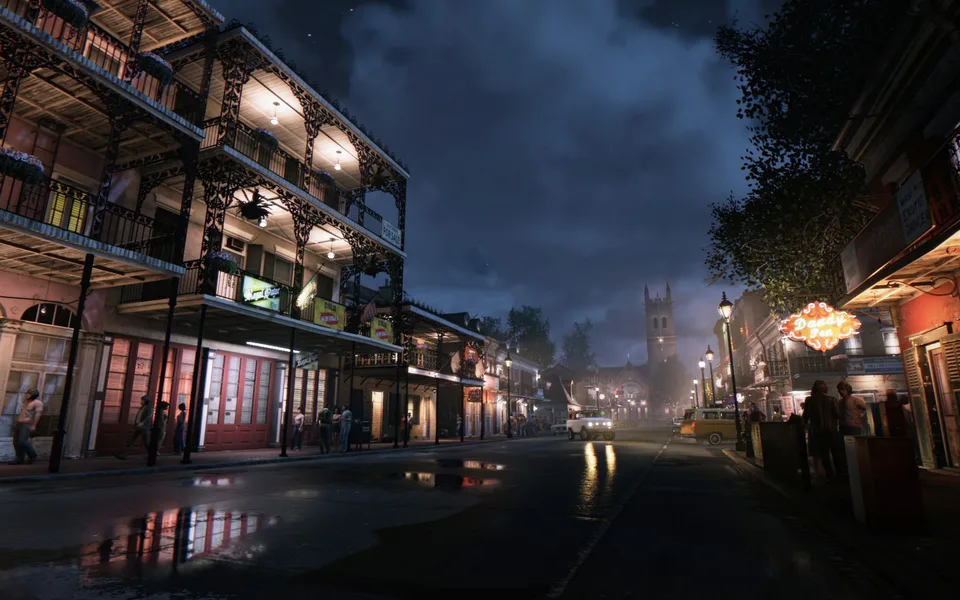
The immersive atmosphere of New Bordeaux relies heavily on the performances of its cast. Unlike standard action titles, the narrative-driven nature of Mafia III requires a wide range of vocal talent to bring the 1968 setting to life. The ensemble consists of veteran actors who provide both traditional voice-over and motion-capture performances, ensuring that character expressions match the emotional weight of the dialogue.
The production involved a massive team, not just for the primary protagonists, but for the hundreds of "additional voices" that populate the streets, hideouts, and cinematic sequences. By combining performance capture with high-quality audio recording, the developers at Hangar 13 created a gritty, authentic experience that defines the title.
Lead Cast Members and Iconic Roles
The story of Lincoln Clay is anchored by a strong central performance. Alex Hernandez provides the voice for Lincoln, capturing the character's transition from a Vietnam veteran to a man seeking vengeance against the Italian Mafia. Supporting him is a cast that breathes life into the complex power dynamics of the city.
Key members of the primary cast include:
Alex Hernandez as Lincoln Clay
Lane Compton as John Donovan
Gordon Greene as Father James Ballard
Rick Pasqualone as Vito Scaletta
Erica Tazel as Cassandra
Barry O'Rourke as Thomas Burke
These actors were selected to represent the diverse cultural and social landscape of the fictionalized New Orleans. Their performances are central to the game's critical reception, as the narrative relies on the player's connection to these specific individuals during the power struggle for the city.
The Role of Motion Capture and Cinematics
It is important to distinguish between pure voice acting and the physical performance capture that defines modern AAA development. Many actors, such as Jay Acovone (Sal Marcano) and Andy Davoli (Connor Aldridge), contributed through motion capture. This process ensures that the physical nuances of the characters—their gait, gestures, and reactions during heated confrontations—feel human and grounded.
The development team also utilized a dedicated "cinematic cast" for specific story sequences. This separation of talent allows for a more polished presentation during the scripted cutscenes, which are often directed with the same rigor as film or television productions.
The Depth of "Additional Voices"
A significant portion of the game's realism comes from the "additional voices" category. When you walk through the districts of New Bordeaux, the ambient dialogue—civilians chatting, police officers questioning suspects, or mobsters arguing—is provided by a vast roster of professionals.
Actors like Dave B. Mitchell, Crispin Freeman, and many others provided these varied roles. While these characters may not have names in the credits, their contribution is vital for world-building. Without this layer of audio design, the city would feel hollow. The sheer volume of this work is a testament to the scale of the production, involving dozens of session hours to ensure that players rarely hear the same lines repeated in the same context.
Regional Dubbing and Localization
Mafia III also features extensive localization efforts, notably in the Italian dubbing. The developers ensured that the Italian-speaking characters were voiced by professionals who could maintain the linguistic authenticity required for the Mafia-themed narrative.
Notable Italian dubbers include:
Andrea Bolognini as Lincoln Clay (Italian)
Antonello Governale as Sal Marcano (Italian)
Lorenzo Scattorin as Vito Scaletta (Italian)
This commitment to high-quality localized performances highlights the global appeal of the title and the developers' desire to respect the cultural roots of the narrative's factions.
Behind the Scenes: Direction and Production
The performance quality in the game is not accidental; it is the result of careful direction. Voiceover directors like Liam O'Brien and Amanda Wyatt played crucial roles in guiding the actors to achieve the specific tone required for the 1960s setting.
The production team, led by Haden Blackman, prioritized a cinematic structure. By hiring casting directors like Dean E. Fronk and Nancy Hayes, the studio was able to secure talent that could deliver the emotional depth required for a story about betrayal, race, and organized crime.
FAQ: Common Questions About the Cast
Is the voice cast the same for the original release and the Definitive Edition?
Yes, the voice performances remain consistent across all versions of the game. The Definitive Edition focuses on graphical and technical enhancements rather than re-recording dialogue.
Are there famous actors in the game?
The cast features many experienced voice actors known for their work in other AAA titles and animated series. For instance, Nolan North, a veteran of the industry, provides his talents for the role of Remy Duvall.
Why are some actors listed as "uncredited"?
In large-scale game productions, some contributors—particularly those providing background voices or minor motion-capture work—may not appear in the primary cast list. This is a common industry practice and does not diminish their contribution to the final product.
Where can I find the full list of credits?
For the most comprehensive and verified information regarding the cast and crew, you can always refer to the official IMDb page for Mafia III, which tracks both the main actors and the extensive support teams involved in the project.