Navigating New Bordeaux: A Complete Guide to the Mafia III Map
Explore the open world of Mafia III. Learn how to navigate New Bordeaux, use wire-taps to reveal the map, and understand the district mechanics without fast travel.
Published: Mafia III Wiki Editorial Team
Video Guide
MAFIA III - How BIG is the Map?Table of Contents
Understanding New Bordeaux: The Setting of Mafia III
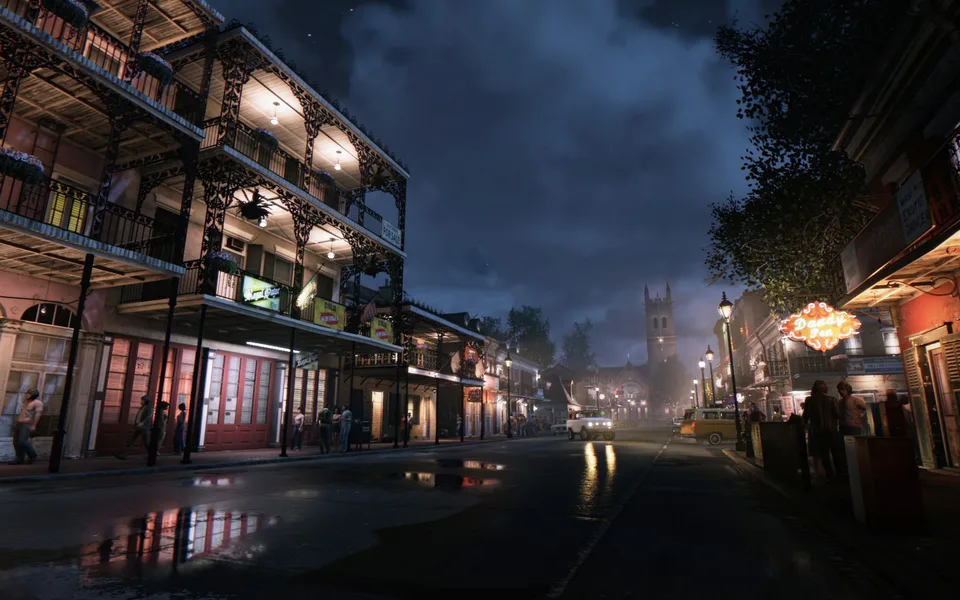
The open world of Mafia III is defined by its setting: New Bordeaux. Unlike many other open-world titles that aim for sprawling, empty expanses, New Bordeaux is a fictionalized version of 1960s New Orleans that serves as a vital character in the narrative. For players jumping into the game today, understanding the map is less about memorizing coordinates and more about absorbing the atmosphere and the specific design philosophy behind the world.
The map is not just a collection of roads and buildings; it is a meticulously crafted backdrop for the revenge story of Lincoln Clay. While the game has faced criticism for its repetitive gameplay loops and technical shortcomings at launch, the environment itself remains a standout feature. It captures the racial tensions, the distinct architectural styles of the Deep South, and the gritty, mature reality of the era. Whether you are driving through the French Ward or navigating industrial districts, the map is designed to feel like a living, breathing, albeit somber, city.
Navigating the Open World: No Fast Travel
One of the most defining characteristics of the Mafia III map is the deliberate absence of a fast-travel system. For players accustomed to modern open-world games where you can teleport from one side of the map to the other instantly, this design choice can feel jarring. However, it is an intentional part of the experience.
The developers at Hangar 13 designed the game to emphasize the "road trip" aspect of the 1960s. Driving is a core pillar of the gameplay. The vehicles in the game are period-appropriate, with distinct handling models that make traveling across New Bordeaux feel substantial.
Tip
Embrace the drive. Because there is no fast travel, view the commute between objectives as an opportunity to listen to the game's acclaimed soundtrack. The radio in Mafia III is widely considered one of the best in the series, featuring iconic tracks that help build the period-accurate immersion.
If you find yourself constantly frustrated by the distance between missions, consider that this design was meant to force players to live in the world. While it can lead to "padding"—the feeling that you are spending too much time behind the wheel—it also allows you to notice the subtle environmental storytelling, such as changing weather, different neighborhoods, and the dynamic NPC interactions that occur on the streets.
Unlocking the Map: The Role of Wire-Taps
To effectively navigate New Bordeaux, you need to be strategic about map visibility. The game utilizes a system of wire-taps to help you gain an advantage over your enemies. These are not just collectibles; they are essential tactical tools.
By locating and installing wire-taps in various districts, you can reveal hidden intelligence on the map. This information often includes the locations of collectibles, enemy positions, and key targets within the rackets you are trying to dismantle.
Locate the Wire-Tap: These are usually found in specific, marked locations within each district.
Install: Once you reach the location, interact with the device to "tap" the area.
Reveal: Your map will populate with icons, making it significantly easier to plan your route and approach enemy bases.
This mechanic encourages exploration. Instead of simply rushing to the next story marker, you are incentivized to traverse the map and uncover the infrastructure of Sal Marano’s empire.
District Mechanics and the Gameplay Loop
The map of Mafia III is divided into distinct districts, each controlled by different lieutenants within Sal Marano’s criminal organization. Your primary goal is to systematically dismantle these rackets to weaken the boss.
The gameplay loop involves entering a district, identifying the rackets (such as brothels, car theft rings, or illicit goods operations), and clearing them out. While some critics argue that this structure is repetitive—resembling a traditional "base-clearing" loop found in other open-world titles—the content within these bases is what sets Mafia III apart.
Meaningful Objectives: You aren't just clearing generic camps. The activities are tied to the game's mature themes. You might be stopping white supremacists, dismantling exploitation rings, or disrupting KKK activities.
The Underboss System: As you clear these districts, you assign them to your own underbosses (Cassandra, Burke, or Vito Scaletta). This adds a layer of strategy to the map; your choices here affect your income and the loyalty of your allies.
If you feel the map is becoming repetitive, try to vary your approach. The sandbox design allows for both stealthy takedowns and loud, chaotic combat. Switching between these styles can make the process of conquering New Bordeaux feel fresh, even if the structural loop remains consistent.
Atmospheric Details and Immersion
What makes the New Bordeaux map worth exploring, despite the lack of fast travel, is the attention to detail. The world is designed to reflect the 1960s, and the developers did not shy away from the harsh realities of the time.
Environmental Storytelling: You will encounter "whites only" signs, police behavior that changes based on the neighborhood, and NPCs that react to your presence. These aren't just textures; they are integral to the game’s narrative power.
Dynamic Environments: As you drive through the city, pay attention to the architecture. The French Ward, for instance, offers a level of artistry that contrasts sharply with the industrial zones.
Technical Details: Even small details, like the radio signal cutting out when you drive under a bridge, contribute to the sense of place. While some areas of the map can appear washed out or colorless, specific locations—like the sinking steamboat or the deserted casino—provide striking visual moments that are worth seeking out.
Tips for Efficient Traversal
Since you will be spending a significant amount of time driving, here are a few tips to make your traversal through New Bordeaux more efficient and enjoyable:
Plan Your Routes: Look at the map before you leave. Since there is no fast travel, picking the most direct route can save you minutes of unnecessary driving. Stick to main roads when possible to avoid traffic congestion in the denser parts of the city.
Vehicle Maintenance: While vehicle destruction in Mafia III is less punishing than in its predecessor, your car can still sustain damage. If your car is heavily damaged, it will become slower and harder to handle. If you have a long drive ahead, consider switching to a fresh vehicle if yours is smoking or performing poorly.
Use the Map Markers: Don't rely on your memory. Place waypoints for your objectives. The GPS system is reliable, and following the designated path is usually the fastest way to get through the city.
Observe the Traffic: The AI in New Bordeaux is somewhat passive, but accidents can happen. If you are driving fast, be prepared for unpredictable turns from civilian traffic.
FAQ: Common Questions About the Map
Is there a fast travel system in Mafia III?
No, there is no fast travel system. Players must travel between locations by driving, which is intended to immerse players in the setting of New Bordeaux and the 1960s era.
How do I reveal more of the map?
You can reveal map intel by locating and installing wire-taps throughout the various districts. This will mark key targets, collectibles, and racket locations on your map.
Are the districts in Mafia III different from each other?
Yes. While the gameplay loop of clearing rackets is similar across the map, each district has a unique aesthetic and atmosphere, ranging from the architectural detail of the French Ward to the grit of the industrial sectors.
Why does my radio signal cut out?
This is an intentional atmospheric detail. Your radio signal will lose clarity when driving under bridges or through tunnels, adding to the realism of the driving experience.