Mafia III Radio Stations: A Guide to the Soundtrack of New Bordeaux
Explore the immersive radio stations in Mafia III. Discover how the era-defining music of the 1960s shapes the atmosphere of New Bordeaux.
Published: Mafia III Wiki Editorial Team
Table of Contents
The Sound of 1968: Understanding Radio in Mafia III
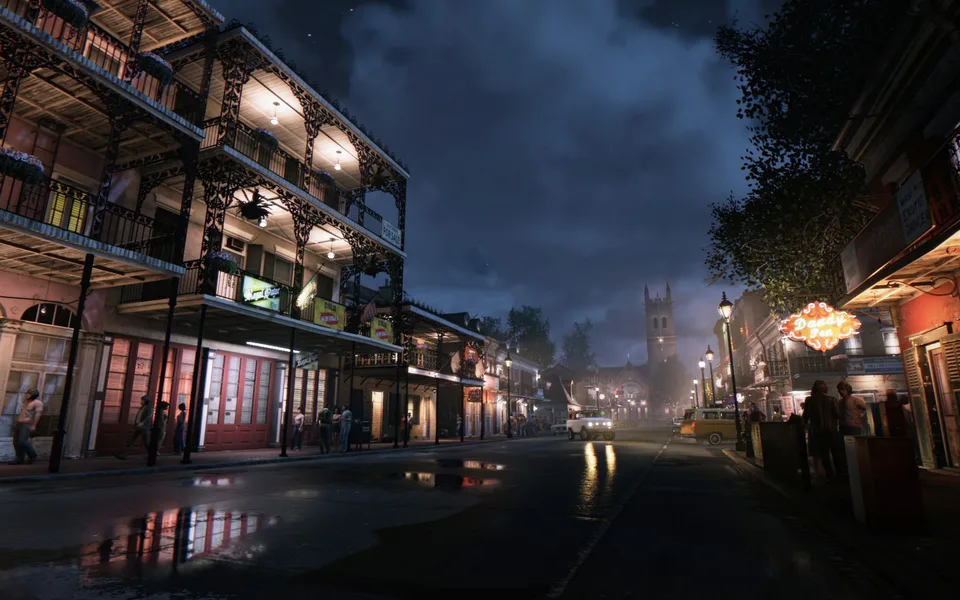
When navigating the streets of New Bordeaux, the audio experience is just as critical as the visual fidelity. The radio stations in Mafia III serve as more than just background noise; they are a narrative device that anchors the player in the turbulent year of 1968. As you drive through the diverse districts of the city, the music acts as a cultural mirror to the societal changes, tensions, and optimism of the late 1960s.
Unlike games that use a static loop, the audio design here is tied to the environment. Whether you are driving a muscle car through the French Ward or cruising along the bayou, the radio provides a curated selection of tracks that define the era. This integration ensures that the atmosphere remains consistent with the game’s gritty, cinematic storytelling style.
How Radio Stations Enhance Gameplay Immersion
The primary function of the radio in this game is to heighten the sense of "place." By featuring licensed music from the period, the developers at Hangar 13 created an authentic soundscape that feels lived-in. Each station is designed to cater to different segments of the population in New Bordeaux, which helps players identify the cultural identity of the neighborhoods they are currently exploring.
Why the Radio Matters
Atmospheric Context: The music choices often parallel the themes of the mission or the social climate of the district.
Cultural Representation: By including tracks from various genres—from the raw energy of rock to the soulful melodies of R&B—the game captures the sonic diversity of the American South during the late 60s.
Dynamic Pacing: The radio provides a rhythmic backdrop to high-speed chases and quiet, contemplative drives alike, keeping the player engaged even during long travel segments.
Exploring the Musical Genres
The radio stations are categorized by genre, allowing players to choose their preferred soundtrack as they traverse the map. While specific tracklists can shift depending on your progression in the game, the core stations remain a staple of the experience.
The Rock and Soul Connection
Much of the radio content focuses on the evolution of rock and soul music. During this period, these genres were undergoing significant shifts, moving from polished pop structures to more experimental and socially conscious sounds. Players often notice that the station selection feels reactive to the intensity of the gameplay. For example, during high-stakes combat or pursuits, the music often shifts to more driving, high-tempo rock tracks, whereas exploration is accompanied by smoother, more atmospheric soul tunes.
Regional Flavors
New Bordeaux is a fictionalized version of New Orleans, and the radio stations reflect this. You will find elements of blues and country that were prevalent in the Southern United States during that time. This regional specificity is a hallmark of the game's attention to detail, ensuring that the sound of the city feels distinctly different from other open-world titles set in different American locales.
Tips for the Ultimate Audio Experience
To get the most out of the soundtrack, consider these adjustments and observations based on community experience:
Check Your Audio Settings: Ensure that your "Music" volume is balanced correctly against "Dialogue" and "Sound Effects." In Mafia III, the dialogue is crucial for understanding the plot; keeping the music volume at a level where it complements rather than obscures the characters' voices is recommended.
Listen for the News: Occasionally, the radio stations will break for news reports. These segments are vital for world-building, as they provide updates on the political climate of the game world and reactions to your character’s actions in the city.
Vehicle Variety: Different vehicles often have different radio equipment quality. While it does not change the tracklist, it can slightly alter the audio profile, making some cars feel more "authentic" to the era than others.
Tip
If you find yourself enjoying a specific track, pay attention to the radio station identification segments. The game does an excellent job of mimicking real-world broadcast patterns, including station IDs and occasional DJ commentary that provides context for the era.
Frequently Asked Questions
Can I choose my own music on the radio?
No, the radio stations are pre-programmed and curated to fit the game's 1968 setting. You cannot import your own music files to play through the in-game radio.
Do the radio stations change based on my story progress?
While the core stations remain the same, the news segments and some of the incidental dialogue heard on the radio will evolve as you progress through the main story and influence the power dynamics of New Bordeaux.
Is the music the same in the Mafia III Demo?
The demo version allows you to experience a slice of the game, including the audio features. However, for the full range of radio content and the complete narrative integration of the soundtrack, the full version of Mafia III: Definitive Edition is the intended experience.