Mafia III Soundtrack: Complete Music Guide and Radio Stations
Discover the complete Mafia III soundtrack, featuring licensed 1960s classic rock, soul, R&B hits, and original atmospheric scores by Hangar 13.
Published: Mafia III Wiki Editorial Team
Table of Contents
Introduction to the Soundscapes of New Bordeaux
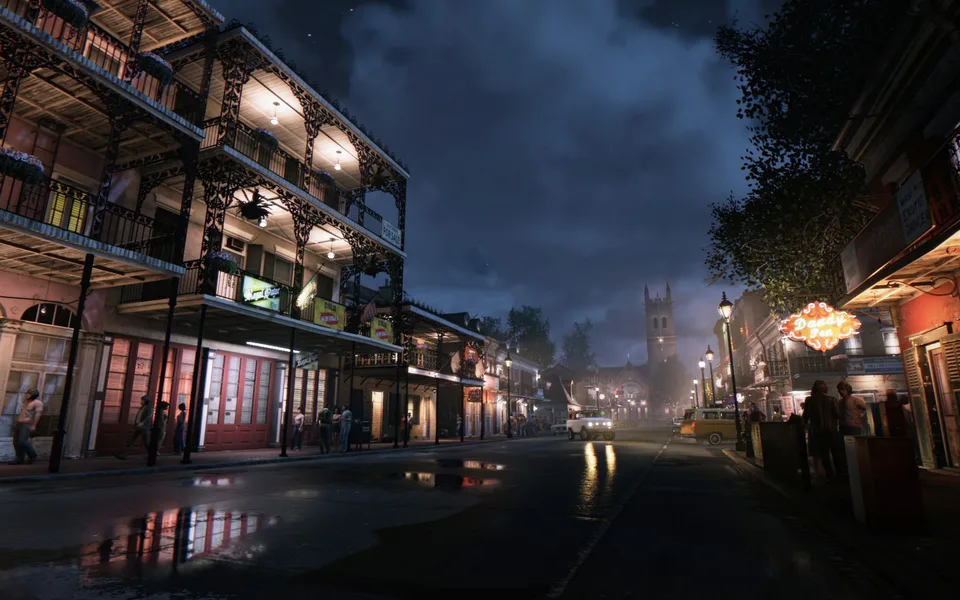
When players step into the shoes of Lincoln Clay in the open-world recreation of 1968 New Bordeaux, the auditory experience is just as crucial as the gritty narrative. Developed by Hangar 13, the title immerses its audience in a culturally volatile era defined by social change, the aftermath of the Vietnam War, and the rise of organized crime. The curated playlist and atmospheric composition form the backbone of this immersion, turning routine drives across the bayou and urban districts into cinematic journeys.
For fans looking to understand how the audio landscape was built, exploring the catalog of tracks provides deep insight into the historical backdrop of the game. Whether you are cruising down the highway or executing a coordinated takedown of a local racket, the carefully selected tunes capture the raw emotion, rebellion, and soul of the late sixties.
The Power of 1960s Licensed Music
One of the defining elements of the title is its extensive collection of licensed songs from the 1960s. Rather than relying solely on original orchestral cues, the developers integrated a massive library of period-authentic hits. This approach grounds the player in the historical reality of 1968, reflecting the exact sounds that would have played on car radios and record players of the time.
The soundtrack covers a vast spectrum of genres popular during the decade, including:
Classic Rock and Psychedelic Rock: High-energy electric guitar anthems that mirror the turbulent socio-political climate.
Soul and Motown: Smooth, emotive vocal performances that highlight the cultural struggles and triumphs of the era.
Rhythm and Blues (R&B): Upbeat rhythms that drive the energetic action sequences and intense combat moments.
Community reports and player feedback consistently highlight how hearing familiar period pieces while exploring New Bordeaux enhances the overall atmosphere. According to player experiences shared across fan communities, cruising through the swampy outskirts or neon-lit downtown strips with classic tracks playing on the in-game radio remains a standout feature of the open-world design.
In-Game Radio Stations and Track Selection
To replicate the feel of the era, the audio design splits the musical selection across distinct in-game radio stations. Each station offers a different flavor of 1960s culture, allowing players to tune their listening experience to match their current mood or driving style.
When managing your journey through New Bordeaux, you will encounter tracks from legendary artists spanning multiple genres. While navigating the open world, you can switch stations dynamically or let the curated flow of broadcast programming surprise you. This variety ensures that long drives between missions never feel monotonous, as the shifting radio dial provides a continuous stream of historical context and auditory rewards.
Original Score and Atmospheric Composition
Beyond the licensed pop and rock hits, the game features an original orchestral and ambient score composed specifically to drive the dramatic narrative forward. While licensed tracks provide cultural texture, the original score handles the heavy lifting during emotional story beats, stealth operations, and intense gunfights.
The original compositions utilize a mix of blues-infused guitar riffs, heavy percussion, and melancholic brass instruments. This blend underscores Lincoln Clay's quest for vengeance against the Italian mob. The thematic motifs change dynamically depending on the state of the game, shifting smoothly from quiet tension during reconnaissance missions to explosive, driving rhythms when a firefight breaks out.
How the Audio Enhances Narrative Immersion
Audio design in modern gaming does more than simply fill silence; it acts as an active storyteller. In this title, the juxtaposition of upbeat, commercial 1960s pop with the grim, violent reality of Lincoln's war against Marcano creates a powerful artistic contrast.
Consider how historical events and cultural movements of 1968 are reflected through audio:
Historical Context: News broadcasts and radio banter play periodically, keeping players informed about the wider world outside New Bordeaux.
Emotional Resonance: Slower soul ballads play during reflective narrative moments, emphasizing the personal losses suffered by the protagonist.
Pacing Control: Upbeat rock tracks naturally encourage faster driving and more aggressive tactical approaches during open-world exploration.
By blending licensed masterpieces with bespoke compositions, the development team achieved a cohesive auditory identity that remains memorable long after the credits roll.
Frequently Asked Questions
Can I listen to the music outside of the game?
Yes, many of the licensed tracks included in the title are widely available on popular streaming platforms like Spotify and YouTube, often compiled into community-created playlists dedicated to the game's specific radio selections.
Are all 1960s songs available from the start?
As you progress through the narrative and unlock different districts of New Bordeaux, the full scope of the game's atmospheric and musical offerings becomes accessible during your exploration.
Does the game include original music alongside licensed tracks?
Yes, Hangar 13 commissioned a dedicated original score to complement the licensed 1960s catalog, specifically tailored for dramatic story sequences and combat encounters.